Oliver Twist
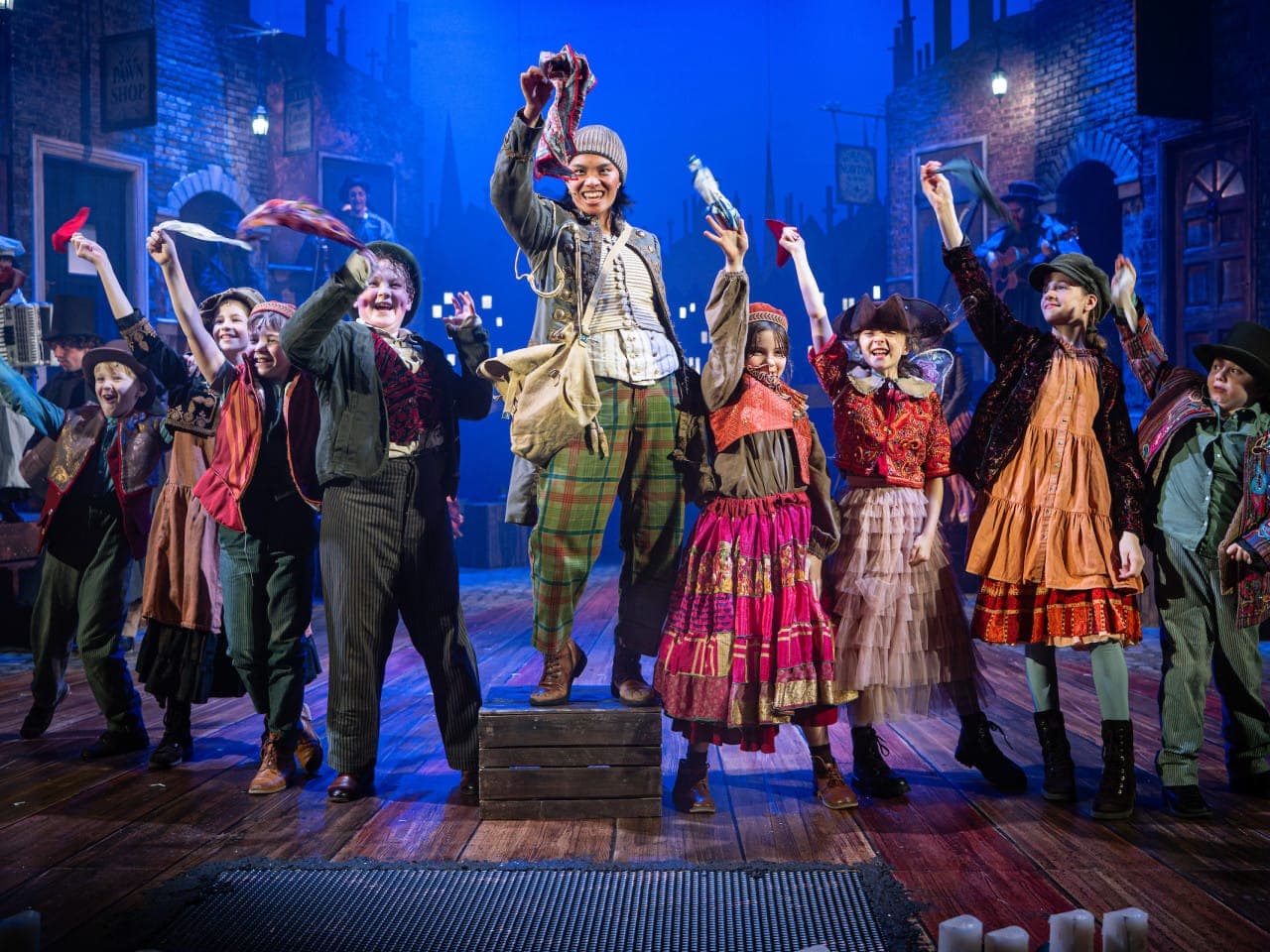
Oliver Twist was a captivating, atmospheric and emotionally powerful theatrical production presented by Derby Theatre as its flagship Main House Christmas show for the 2025–2026 festive season. Adapted for the stage by acclaimed playwright Deborah McAndrew and directed by Derby Theatre's Artistic Director Sarah Brigham, this imaginative interpretation of Charles Dickens' timeless novel brought Victorian England to life through compelling storytelling, live music, atmospheric lighting, striking scenery and an ensemble of professional actor-musicians and talented young performers. Presented during Derby Theatre's 50th anniversary year, the production offered a distinctive alternative to traditional Christmas pantomime, combining the darker realities of Dickens' original story with moments of warmth, humour, adventure and festive magic. Featuring traditional carols, folk songs and original compositions, the adaptation celebrated the enduring power of Dickens' writing while making the story accessible to contemporary family audiences. Set against the harsh social conditions of Victorian England, the story follows Oliver Twist, a young orphan born into poverty and raised within the unforgiving workhouse system. From the earliest moments of his life, Oliver experiences hardship, neglect and cruelty at the hands of those responsible for his welfare. Despite these circumstances, he retains an extraordinary sense of innocence, kindness and hope. When Oliver famously dares to ask for more food, his actions provoke outrage among the workhouse authorities, who regard his request as an act of rebellion. Determined to remove him from their care, they arrange for Oliver to become an apprentice to an undertaker, Mr Sowerberry. However, his new surroundings offer little comfort, and following further mistreatment, Oliver decides to escape and make his way towards London in search of a better life. Arriving in the bustling streets of Victorian London, Oliver finds himself alone, exhausted and vulnerable. His fortunes appear to change when he encounters the charismatic and streetwise Artful Dodger, a young pickpocket who introduces him to a mysterious group of children living under the supervision of Fagin. Initially believing that he has found friendship, security and a place to belong, Oliver soon discovers that Fagin's apparent generosity conceals a dangerous criminal operation. The children are trained to steal from unsuspecting members of the public, operating within London's shadowy underworld. As Oliver becomes increasingly involved with Fagin's gang, he encounters the intimidating and violent Bill Sikes, whose ruthless behaviour represents one of the greatest threats to his safety. He also meets Nancy, a compassionate young woman whose connection to the criminal world is complicated by her desire to protect Oliver from the dangers surrounding him. When Oliver becomes caught up in a robbery, his innocence and vulnerability attract the attention of the kindly Mr Brownlow, who recognises that the boy deserves a chance at a better future. For the first time, Oliver experiences genuine kindness and the possibility of belonging to a loving family. However, his hopes are threatened when Fagin and Sikes attempt to regain control over him, fearing that Oliver could expose their criminal activities. As the story develops, hidden family connections, personal loyalties and difficult moral choices begin to emerge, drawing Oliver into an increasingly dangerous struggle between those who wish to exploit him and those determined to protect him. Nancy's growing concern for Oliver becomes central to the unfolding drama, as she faces the consequences of challenging the violent world in which she has become trapped. Her courage and compassion provide some of the story's most moving moments, reinforcing Dickens' exploration of sacrifice, humanity and the possibility of redemption. As the narrative builds towards its dramatic conclusion, Oliver must navigate betrayal, danger and uncertainty while continuing his search for identity, safety and a place to call home. Through his experiences, the production explores the injustices of Victorian society, the exploitation of vulnerable children and the importance of compassion in a world shaped by poverty and inequality. Under Sarah Brigham's direction, Derby Theatre's production combined traditional storytelling with an imaginative theatrical style, bringing together a professional adult cast and a large young company of local performers. The title role of Oliver was shared by three young actors — Claudia Burton, William Poyser-Alton and Eliza Jean Poxon — providing each performer with the opportunity to lead this ambitious festive production. The professional company featured Polly Lister as Fagin, Iris Laverne as the Artful Dodger, Analiese Emerson-Guettinger as Nancy and Dan McGarry as Bill Sikes. They were joined by Samuel Heron as Mr Sowerberry and Mr Brownlow, Michael Mahony as Mr Bumble and Grimwig, and a versatile ensemble portraying the many colourful characters inhabiting Dickens' Victorian world. A particularly distinctive feature of the production was its use of actor-musicians, with live instrumental performances woven into the storytelling. Under the musical direction and composition of Eliza Waters, the production incorporated original music alongside traditional folk songs and Christmas carols, helping establish the atmosphere of Victorian London while supporting the emotional development of the narrative. The musical elements contributed to the production's festive identity, balancing the darker themes of the story with moments of celebration, community and hope. The integration of live music and dramatic performance created a theatrical experience in which storytelling, movement and sound worked closely together. The visual design played an important role in establishing the production's distinctive atmosphere. Set design by Neil Irish created the physical world of Dickens' story, supporting the transitions between the bleak workhouse, the bustling streets of London, Fagin's criminal hideout and the contrasting environments inhabited by the city's wealthier residents. Costume design by Tim Heywood helped define the characters and their social circumstances, reflecting the contrasting lives of London's poorest inhabitants and its more privileged citizens. Period-inspired clothing, detailed characterisation and carefully considered visual elements contributed to the production's historical setting. Lighting design by Arnim Friess provided an essential element of the production's visual storytelling, supporting the changing locations, dramatic tension and emotional atmosphere. The lighting helped establish the contrasting environments of Victorian London, from the cold and unforgiving conditions of the workhouse to the shadowy streets and more intimate moments of human connection. The combination of lighting, scenery and costume created opportunities for strong visual contrasts, reinforcing the central themes of poverty, inequality, danger and hope. Atmospheric lighting also supported the production's musical sequences and transitions, contributing to the overall rhythm and visual identity of the performance. Sound design by Jim Harbourne complemented the live musical performances and dramatic action, helping create an immersive theatrical environment. The combination of original music, sound effects and live instruments contributed to the atmosphere of the story, while supporting changes in location, dramatic intensity and emotional tone. Movement direction by Deb Pugh helped coordinate the physical storytelling, particularly during ensemble scenes involving the young company and the busy streets of Victorian London. Puppetry created by John Barber introduced an additional theatrical element, while fight direction by Ian Stapleton supported the production's physically demanding dramatic sequences. The production required extensive collaboration between the creative team, performers, stage management and technical departments. With a large cast, live music, frequent scene transitions and a detailed scenic environment, the show presented a demanding technical undertaking throughout its extended festive performance schedule. The integration of lighting, sound, scenery, costumes, puppetry and movement was central to presenting the production's distinctive interpretation of Dickens' novel. Each department contributed to creating a cohesive theatrical world capable of moving between moments of comedy, suspense, tragedy and celebration. Beyond its theatrical presentation, Oliver Twist explored social issues that remain relevant to contemporary audiences. Dickens' examination of poverty, child exploitation, social inequality and the treatment of vulnerable people provided opportunities for reflection on the challenges faced by individuals and communities both historically and today. Derby Theatre also used the production as an opportunity to engage with local social issues, partnering with Derby Food 4 Thought Alliance to raise awareness of food insecurity and support people experiencing hardship. The partnership reflected the production's central themes of compassion, resilience and the importance of community. The production received positive critical recognition, including a five-star review from East Midlands Theatre and a four-star review from Poppy Jo and Me. Critics highlighted the show's engaging storytelling and its suitability as a festive theatrical experience. At its heart, Oliver Twist is a timeless story about resilience, courage, friendship and the search for belonging. Through Oliver's journey from the workhouse to the streets of Victorian London, the production examines the importance of kindness, the consequences of social injustice and the extraordinary difference that compassion can make in the lives of vulnerable individuals. By combining Dickens' powerful narrative with live music, atmospheric theatrical design and performances from both established professionals and emerging young talent, Derby Theatre created an ambitious festive production that celebrated the enduring relevance of one of English literature's most recognisable stories. Performed from 28 November 2025 until 3 January 2026, Oliver Twist formed a major part of Derby Theatre's 50th anniversary celebrations, demonstrating the venue's commitment to producing high-quality regional theatre while providing meaningful opportunities for local young performers. Through its combination of imaginative staging, emotionally engaging performances, atmospheric lighting, live music and powerful storytelling, Oliver Twist delivered a memorable theatrical experience that celebrated the magic of live performance while remaining faithful to the social and emotional themes of Dickens' original work.
Role
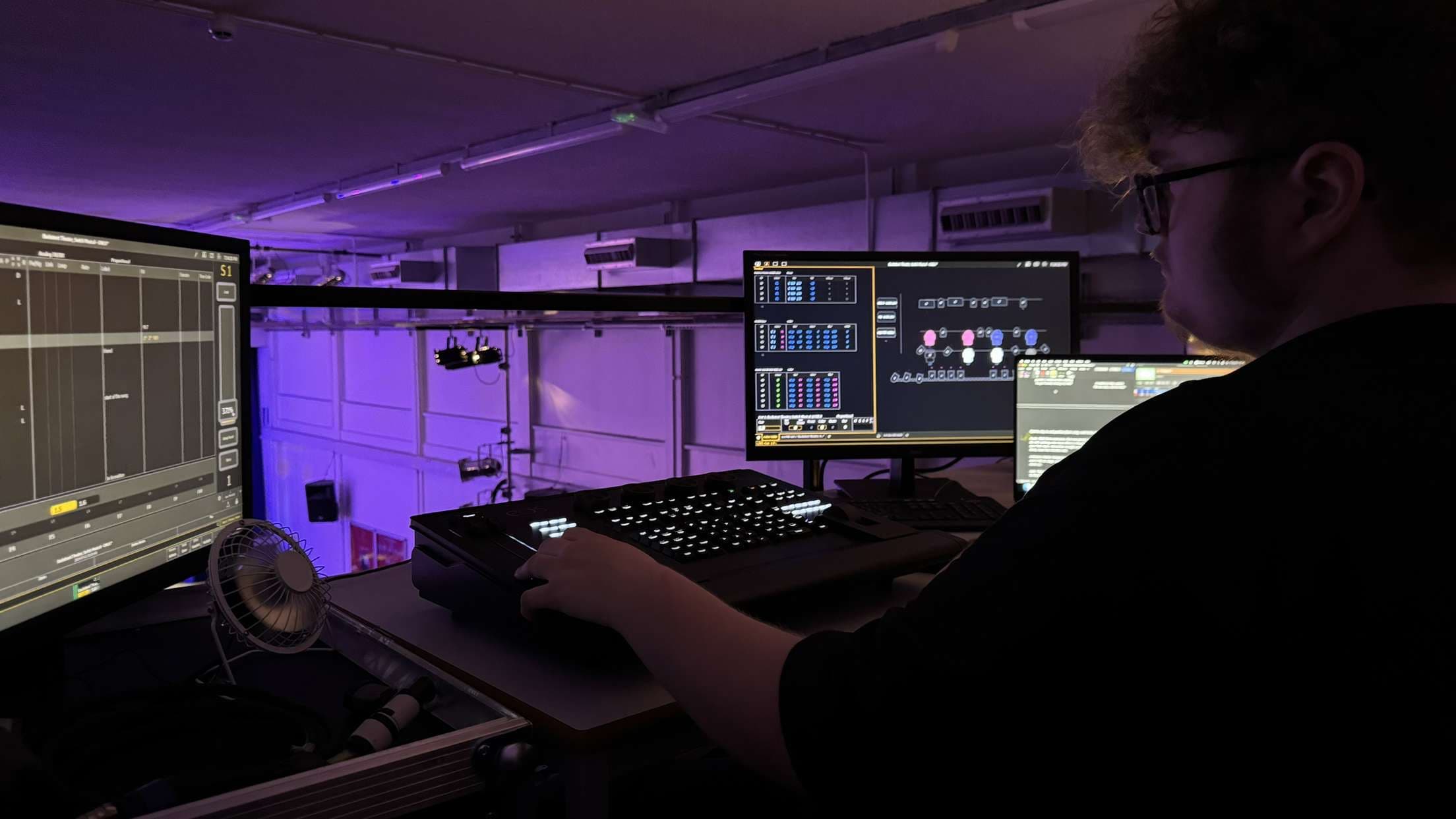
Lighting Programmer & Production Electrician
Credits
- Director
- Sarah Brigham
- Assistant Director
- Kai Bools
- Set Designer
- Neil Irish
- Costume Designer
- Tim Haywood
- Lighting Designer
- Arnim Friess
- Sound Designer
- Jim Harbourne
- Musical Director & Composer
- Eliza Waters
- Movement Director
- Deb Pugh
- Voice & Accent Director
- Anita Gilbert
- Puppet Maker & Director
- John Barber
- Fight Director
- Ian Stapleton